About & Governance
Our structure, leadership, and the principles that guide how we coordinate corrosion protection across the Houston region.
Our Mission
Why We Exist
"The Houston Corrosion Committee exists to strengthen communication, coordination, and collaboration among corrosion professionals across the Houston region. Our mission is to provide a structured platform where operators can share project awareness, survey planning, and asset updates to improve efficiency, reduce interference, and enhance the integrity and reliability of critical infrastructure."
What We Do
Committee Objectives
Project Awareness
Share upcoming and active corrosion protection projects across zones so operators can plan around neighboring activity.
Survey Coordination
Coordinate close-interval survey schedules and field work to prevent overlapping surveys and reduce interference.
Asset Transparency
Maintain shared visibility into pipeline and facility assets to support coordination of corrosion-related activities.
Resource Sharing
Provide a centralized library for KMZ files, operator contact information, and reference materials.
Communication
Facilitate zone-based notifications, newsletters, and interruption request alerts to keep operators informed.
Community Building
Strengthen relationships among corrosion professionals through quarterly meetings, events, and a shared platform.
Leadership
Board of Directors
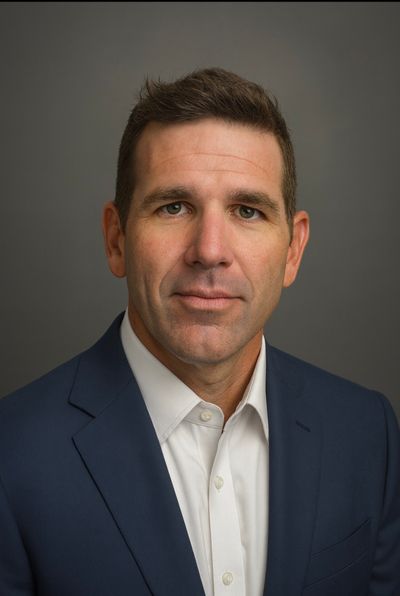
Brandon Adams
Chairman
Supervisor of Corrosion Services, ONEOK
Brandon Adams serves as Chairman of the Houston Corrosion Committee and Supervisor of Corrosion Services at ONEOK, where he leads a multi-location corrosion control team and serves as a primary subject-matter expert during PHMSA regulatory audits. With over 15 years of experience in corrosion control and pipeline integrity across natural gas, hazardous liquids, and terminal assets, Brandon built his career from the ground up — starting as a Corrosion Technician at Corrpro before advancing through progressively responsible roles at Phillips 66 Pipeline and Magellan Midstream Partners.
Brandon founded the Houston Corrosion Committee to create a platform where operators can communicate, coordinate projects, and strengthen relationships across the region. He holds certifications including AMPP/NACE Senior Corrosion Technologist, Internal Corrosion Technologist, CP2 Cathodic Protection Technician, and CIP 1 Coatings Inspector. Known for people-first leadership and cross-functional stakeholder alignment, Brandon is passionate about team development and protecting the integrity of critical energy infrastructure.
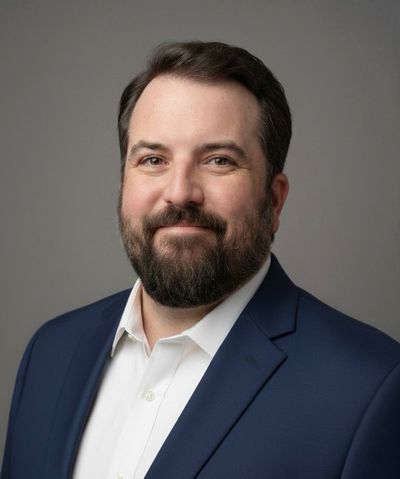
Stephen Capoferi
Vice Chairman
Corrosion Control & Integrity Assessment Leader, Air Products and Chemicals, Inc.
Born and raised in Houston, Stephen Capoferi brings over 19 years of experience in corrosion control and pipeline integrity management. He currently serves as Corrosion Control & Integrity Assessment Leader for North America at Air Products and Chemicals, Inc., where he manages large-scale asset protection initiatives and ensures regulatory compliance with PHMSA requirements.
Stephen's career spans both field operations and executive leadership. He began as a Corrosion Technician at Corrpro, gaining hands-on experience with pipelines, storage tanks, and marine facilities. Subsequent roles as General Manager at TSI Services and Senior Estimating Manager at Tucker Energy Solutions gave him a comprehensive perspective across technical and business disciplines.
A University of Houston-Downtown graduate with a B.B.A. in Accounting, Stephen combines technical depth with financial oversight. He holds certifications including NACE Senior Corrosion Technologist, Cathodic Protection Technician (CP2), and PCIM Technician. As Vice Chairman, he is committed to advancing corrosion engineering and mentoring the next generation of professionals.
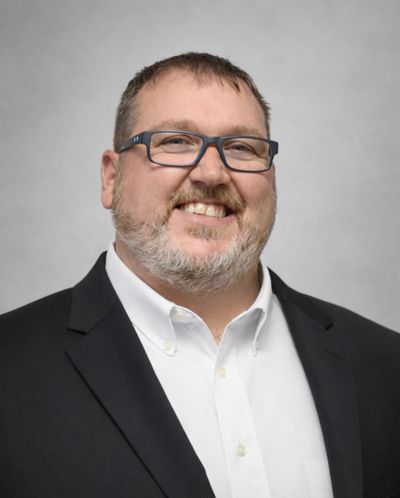
Roy Hayes
Secretary
Corrosion Technician, Targa Resources
Roy Hayes serves as Secretary of the Houston Corrosion Committee and Corrosion Technician at Targa Resources in Houston, where he has spent nearly eight years managing interruption schedules and troubleshooting corrosion-related issues across pipeline systems. With 16 years of experience in cathodic protection and corrosion management, Roy's career reflects a steady progression built on hands-on expertise and continuous professional development.
Roy entered the industry as a painter's helper before advancing into blasting, painting, and eventually coating inspection after earning his NACE CIP Level 1 certification in 2007. His discovery of cathodic protection became a turning point, leading him to build deep expertise in advanced CP survey work and diagnostic methods through formal certifications and mentorship from respected industry professionals including PJ Palmer, Stuart Usery, and Lawrence Rearick.
For the past seven years, Roy has been responsible for coordinating interruption scheduling and corrosion mitigation across Targa's pipeline infrastructure. As Secretary, he brings operational precision and field-tested knowledge to the committee's leadership team.
Standards
Code of Conduct & Ethics
The Houston Corrosion Committee is governed by a formal Code of Conduct & Ethics Policy adopted by the Board of Directors. All Board members, officers, zone representatives, and volunteers serve in a strictly volunteer capacity — no individual receives compensation or profits personally from their role. Sponsorship funds and organizational revenue are used exclusively to operate and maintain the HCC platform, support committee activities, and advance our mission. All information shared through the HCC platform is confidential and may only be used in furtherance of the Committee's mission. The full policy addresses conflicts of interest, data confidentiality, acceptable platform use, reporting procedures, and non-retaliation protections.
Read the Full PolicyData Policy
Data-Sharing Boundaries
Understanding what information can and cannot be shared through the committee platform.
Permitted Uses
- Zone-based project awareness updates
- Survey schedules and coordination timelines
- KMZ file sharing for pipeline mapping
- General operator contact information (company, name, zone)
- Interruption request notifications
- Newsletter distribution of committee updates
Not Permitted
- Sharing member data with third parties or vendors
- Using contact lists for commercial solicitation
- Redistributing KMZ files outside the committee
- Scraping or bulk-exporting member directory data
- Using the platform to circumvent regulatory processes
- Publishing operator-specific corrosion data publicly